The person submits their documents and passes a liveness check.
Approve
Your reviewer checks the application against the records you already hold.
Create
We sign the credential with your issuer key, inside your HSM.
Hold
The digital ID lands in the holder's wallet over OpenID4VCI.
Present
The holder shows it to a spec-compliant reader, online or offline.
After issuance, you stay in control of every credential you have signed.
RenewalExtend or reissue before expiry
SuspensionSwitch the ID off temporarily
ReinstatementSwitch it back on
RevocationKill it permanently
Everything you need to power verified digital identity.
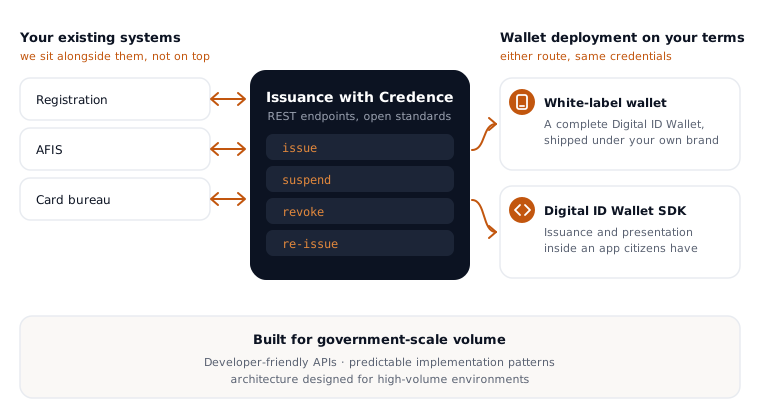
Turn verified data from our IDV solution + your trusted source of truth databases (HR, CRM, AML & IAM systems) into trusted digital credentials, without changing your source of truth. Issue at scale, revoke instantly, and maintain a full audit trail across every credential in your ecosystem.
Store digital IDs directly inside your existing mobile app using our SDK. A standalone white-label mobile app is also available when embedding isn’t the right fit.
Bind digital IDs to a biometric to prevent impersonation and ensure only the right user can present them.
Enable internal systems and external partners to request and verify digital IDs through a single API integration.
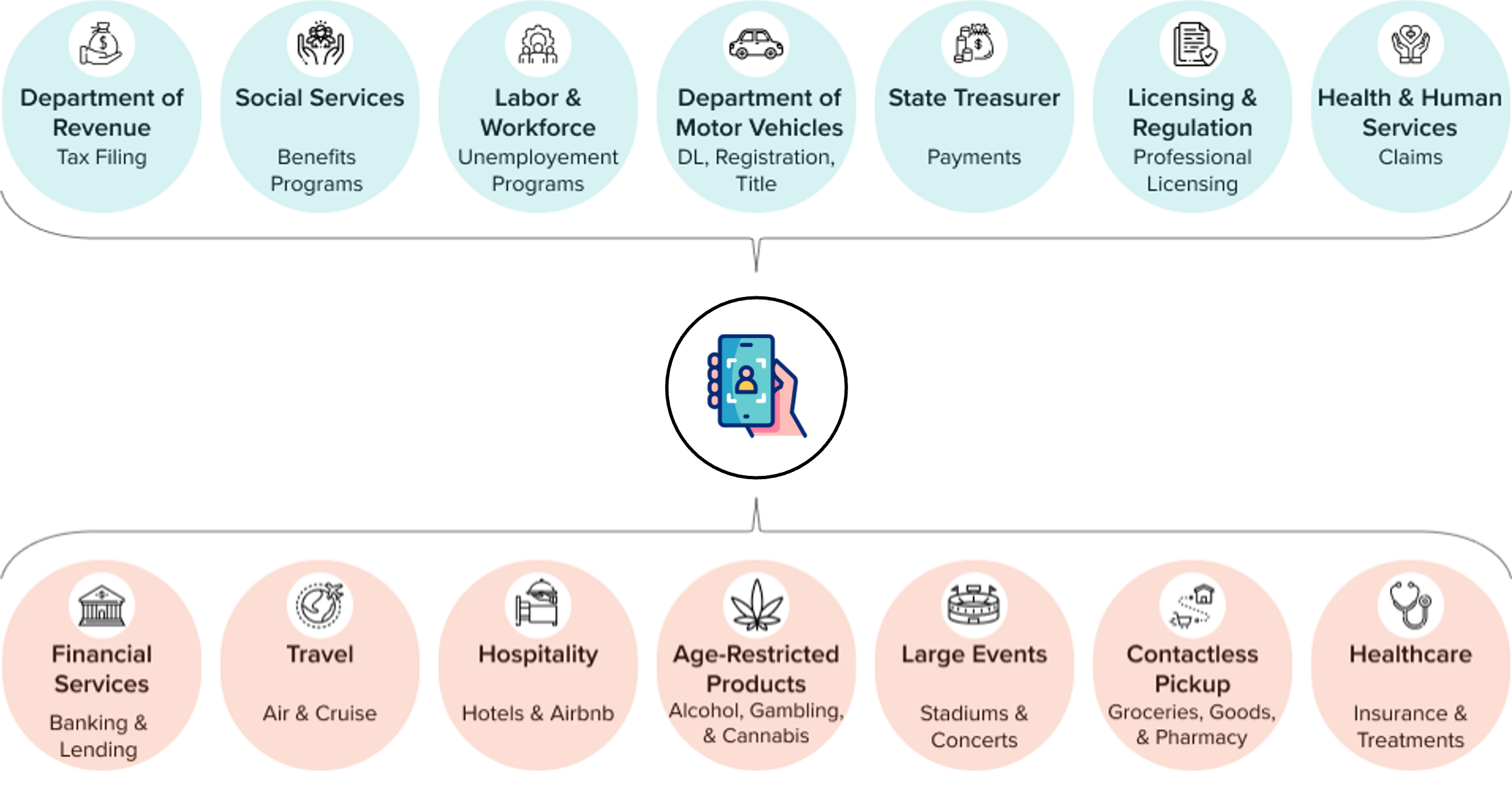
Turn your identity infrastructure into a revenue stream. You can charge a fee each time a digital ID is verified within your ecosystem, while ensuring user privacy remains intact, since issuers never know which specific user has been verified.
Everything you need to run a digital ID program
Before you issue
Identity Verification (IDV)
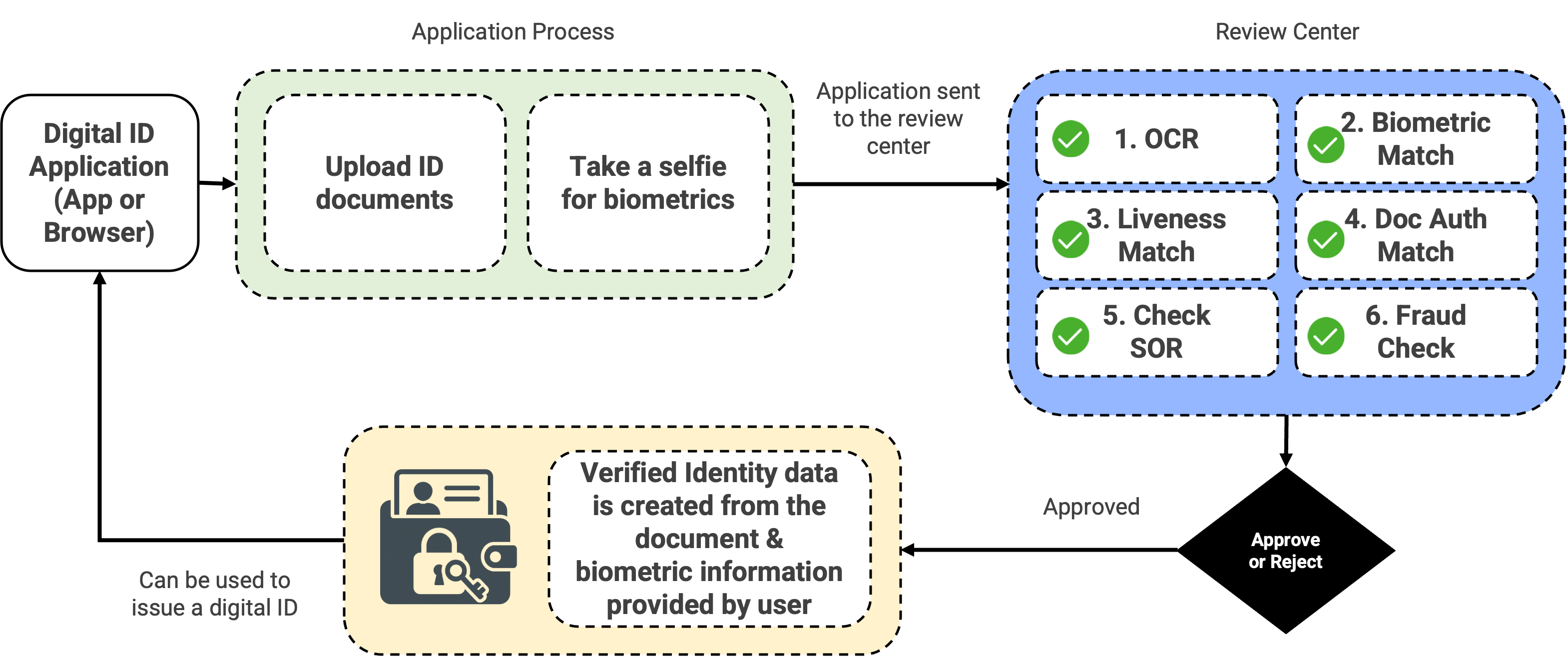
Applicants submit their ID and a selfie from any mobile device. Six algorithmic checks are performed on the data submitted & reach your issuing organization as a single decision-ready case (Approve / Reject).
The IDV process, from application to verified identity data
For holders
Digital ID Wallet SDK
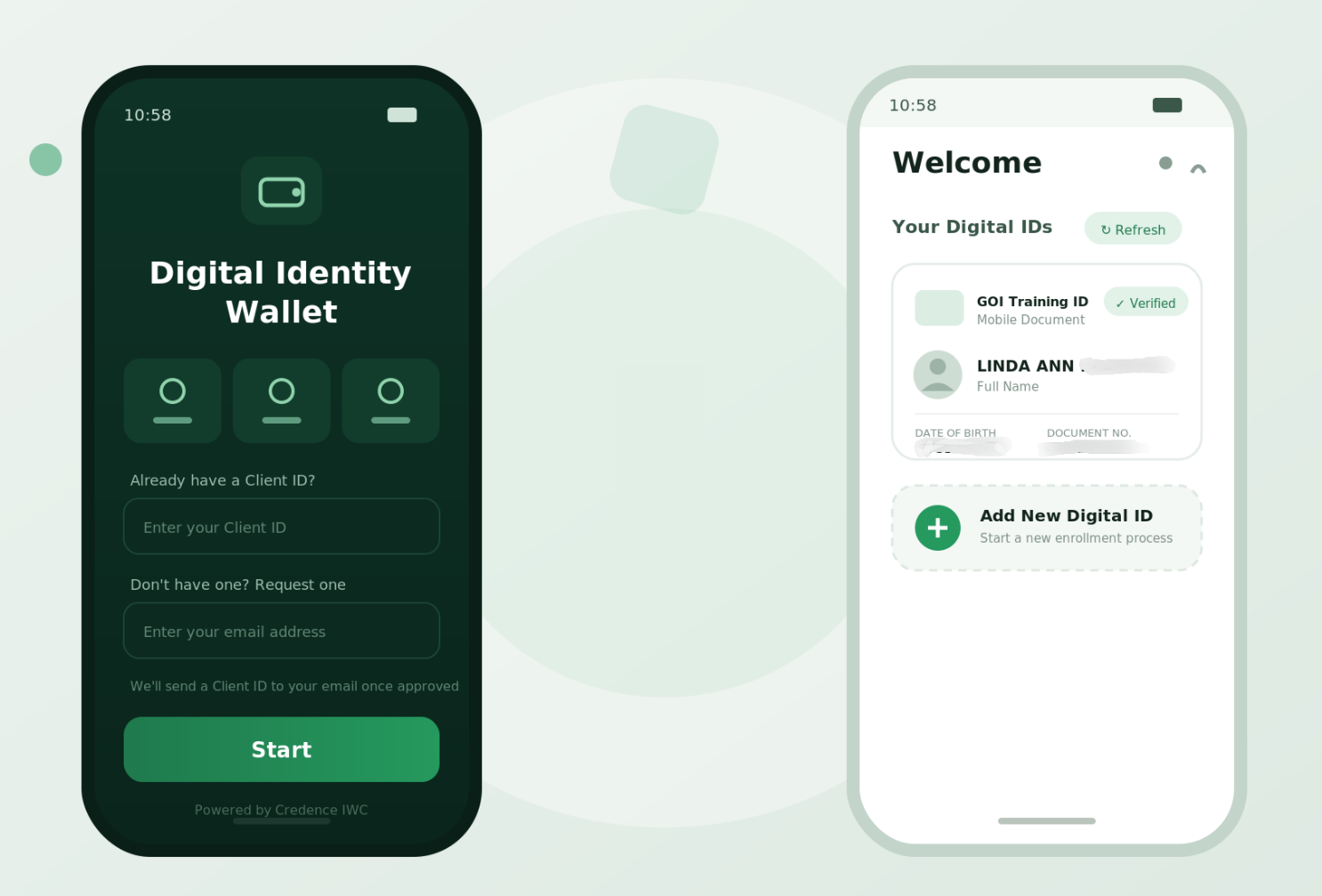
Holders enrol, hold, and present digital IDs from a mobile wallet. Ship it as a white-label app in your own brand, or drop the SDK into an app you already publish - you do not have to start a new app project.
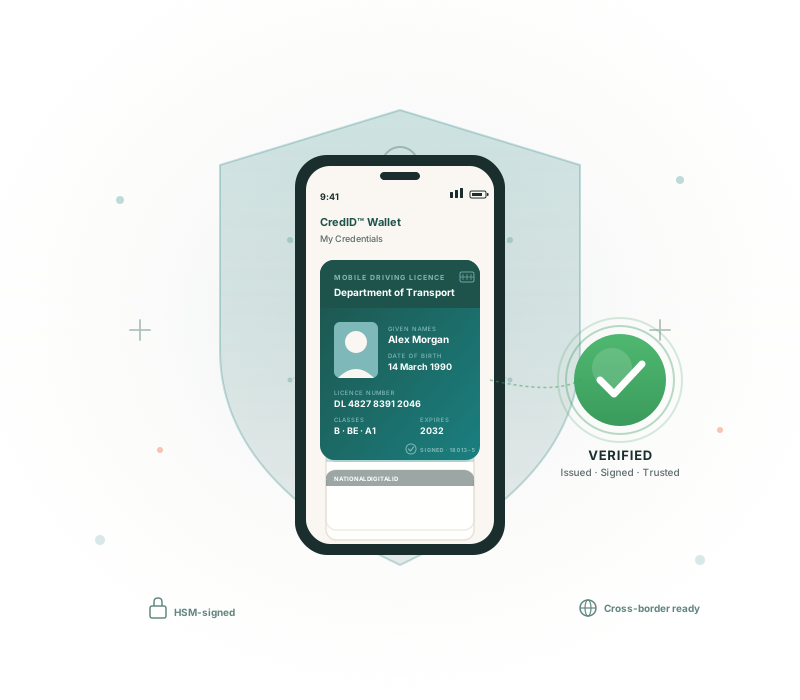
Digital ID is stored inside secure storage element on your mobile
Digital ID wallet & sharing the credential using QR code
For issuing authorities
Issue a Verified Digital ID
We sign verified data with your issuer key and deliver the digital ID straight to the holder's wallet. Your system of record stays where it is - IwC reads from it rather than replacing it.
IwC will sign the issuer's signature on the credential
The digital identity infrastructure behind national-scale programmes
Why choose Credence ID?
Four things that stay true whichever programme you run, and whoever you run it with next.
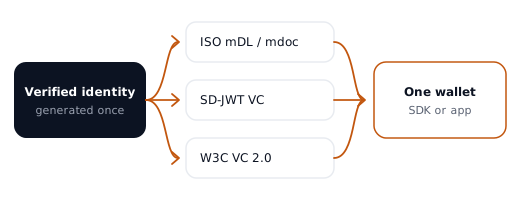
From one verified identity record, issue multiple credential formats
After generating a verified ID once, you can issue credentials of multiple formats into the same wallet SDK / app configured.
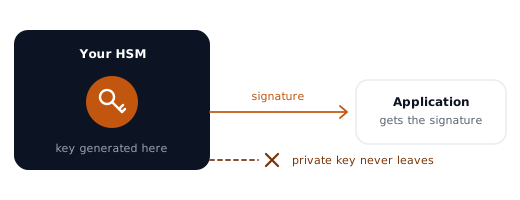
Keys that never leave your HSM
Issuer keys are generated inside your HSM and stay there. Signing happens in hardware, which means the private key never reaches the application.
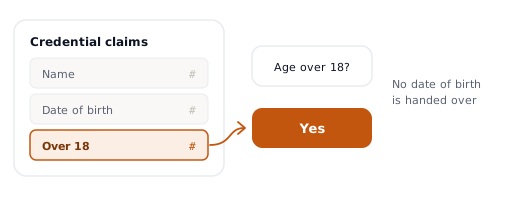
Selective disclosure
Each claim is hashed on its own, so a holder answers the question asked and nothing more. Is Age over 18? Yes - without handing over a date of birth.
No vendor lock-in, by design
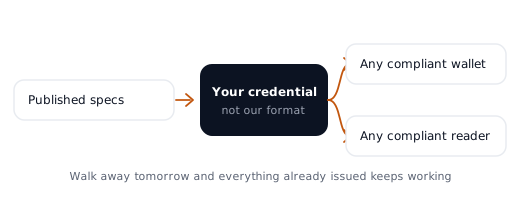
These are published specs, not our specs. Any compliant wallet or reader works with the credentials you issue, and if you walk away tomorrow, everything you've already issued keeps working as it is.
Published standards, not our own format
Every credential we issue follows a published spec, so you are never tied to our stack. Here is what we support today.
Credential formats
ISO mDL/mdoc
SD-JWT VC
Protocols
OpenID4VCI
OpenID4VP
Cryptography
ECDSA P-256/384/521
Per-claim SHA-256 hashing
PKCS#11 to the HSM
New to digital identity?
The four stages of every credential, and the standards behind them. In plain language.
A unified identity experience, without rebuilding your stack
IwC reads from the system of record you already run and signs with keys that never leave your HSM. The credentials it issues follow published specs, so they keep working in wallets and readers we do not control.